
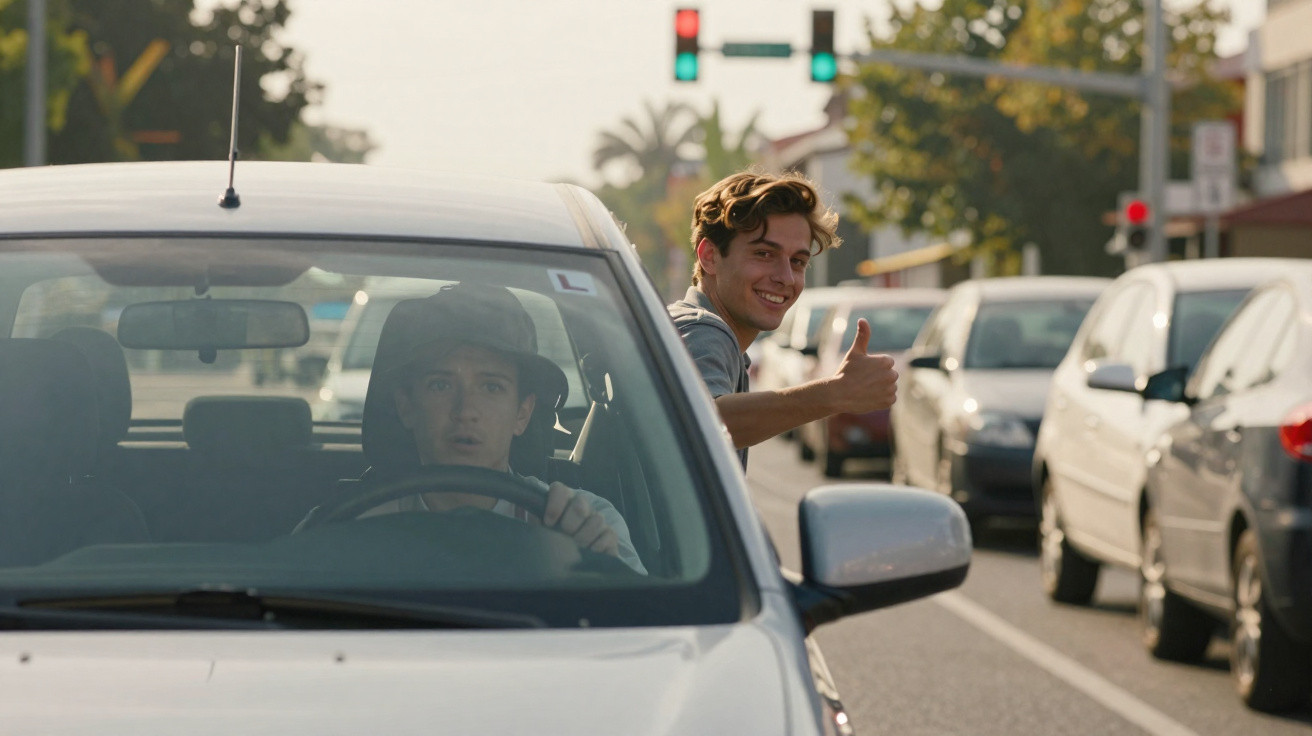
The engine spluttered once, then cut out - right at the very front of the queue. There were L plates on the back, a tense grip on the steering wheel, and a long line of cars behind quickly running out of patience. You can practically imagine the horns getting ready.
The learner had another go, but stalled again - and then again. A bus rolled in alongside, a cyclist slowed to see what was happening, and a bloke in a white van made a show of his disappointment. That burning, prickly heat behind your ears when you realise the whole world is looking at you? Exactly that. The sort of scene you later replay in the shower and wince.
This time, though, it didn’t end with furious beeping and ugly gestures. A dashcam in the car behind recorded something else entirely. When the footage landed on social media, millions of people couldn’t stop watching.
When the car behind does something nobody expects (caught on dashcam)
In the clip, the light changes to green and you can see the learner’s shoulders tighten. The car jerks forward, stalls, then falls quiet again. For a split second, everything pauses. You instinctively brace yourself for the first blast of the horn.
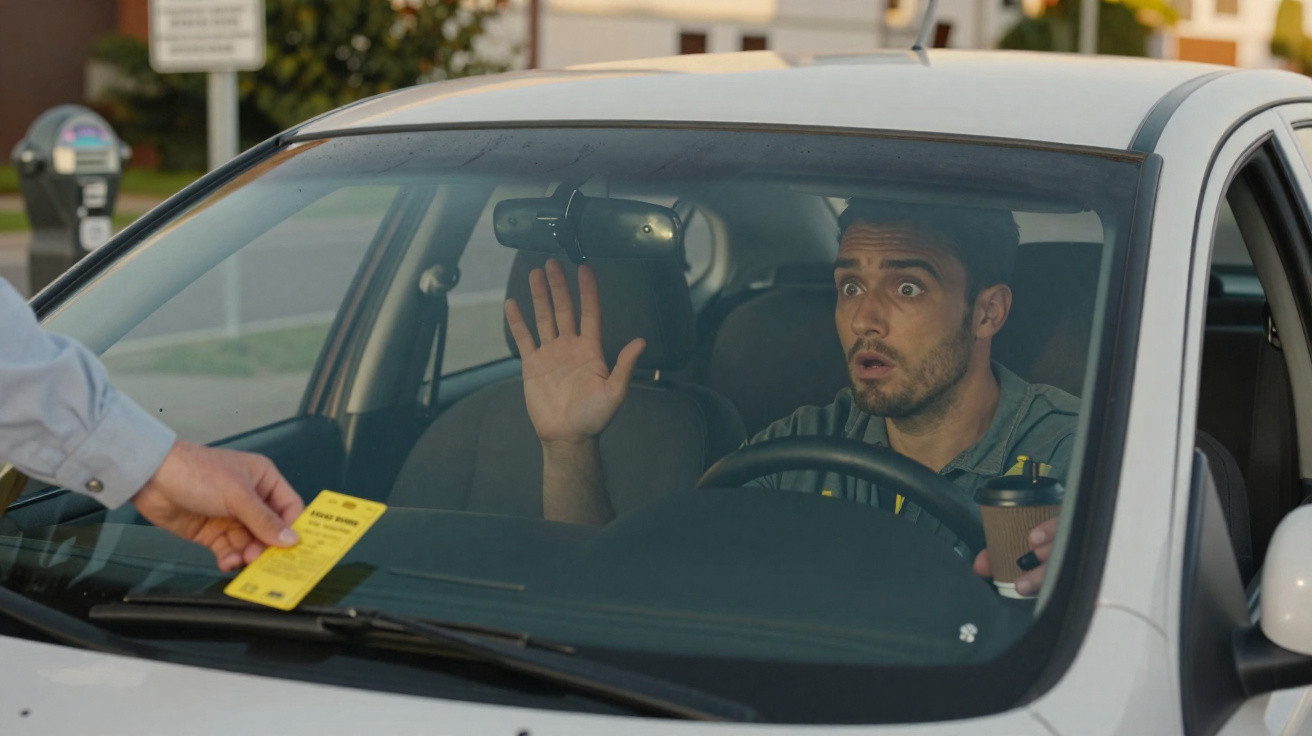
But instead, the driver behind flicks on their hazard lights, steps out, and walks up to the learner’s window. No yelling. No exaggerated sighs. Just a small wave and what looks like a calm, reassuring “You’re okay.” The dashcam picks up steady instructions. A gentle hand signal: “Clutch… slowly… now.” The cars behind simply wait. Nothing moves. For a moment, the world feels softer.
Online, people were stunned. The video raced across TikTok, X and Instagram, racking up millions of views within days. One viewer wrote, “I stalled 6 times on my test and no one was this kind.” Others tagged mates who are learning, adding, “This is how it should be.” The response grew bigger than the stall. It became a quiet referendum on how we behave towards each other on the road.
We talk a lot about “bad drivers”, yet this clip points to something else: a culture that demands perfection from people who are, by definition, still learning. Stalling at traffic lights isn’t a disaster - it’s normal. Every instructor knows it. But modern traffic, fuelled by stress and deadlines, can react as if a minor slip-up is a personal insult.
Watching the opposite - patience, self-control, a stranger briefly becoming a coach - hit a nerve. It pushed back against an unspoken commuting rule: everyone is rushing and kindness is optional. The moment went viral not because the driving was impressive, but because the empathy was. In a feed full of road-rage clips, this one felt like clean air.
What this tiny moment teaches us about driving, nerves and kindness
For many learner drivers, the fear of stalling at the lights almost becomes a passenger. It sits there whispering worst-case scenarios: “What if I block the junction? What if they all start honking?” And that fear alone can make a stall much more likely.
The driver in the viral video did the one thing that punctures panic: they slowed everything down. A clear pause. Relaxed body language. Plain, simple words. That approach works on the road and in everyday life. Breathe. Break it into steps. Clutch down. Restart. Find the bite point. Ease up gently. No drama, no judgement - just the next small action.
Instructors often say learners don’t come unstuck on ability; they come unstuck on nerves. A stall is a technical hiccup; spiralling anxiety is the real danger. When the person behind chooses deliberate calm over aggression, it doesn’t merely help the driver in front get moving again - it subtly changes what “being stuck” feels like for everyone watching.
For plenty of commenters, the clip pulled them straight back to their own first weeks and months driving. The trembling hands on the wheel. The dread of a hill start. The memory of a stranger being kind - or cruel - at the most exposed moment. On an ordinary weekday morning, that junction turns into a mirror.
And it’s worth saying plainly: we’ve all done something daft behind the wheel. Wrong lane, indicator too late, missed turning, braking too sharply. Most of us were simply lucky enough not to have a dashcam aimed at us when it happened. That’s why the tone online around this video felt different - less blaming, more, “Imagine if more people did this.”
The learner’s error was small; the other driver’s decision was enormous. By getting out of the car, they broke through the faceless anonymity that often fuels aggression. All at once, there weren’t “idiots” and “perfect drivers” - just two people trying to make it through a green light safely. That change in perspective is what makes the clip feel like a tiny lesson in city life.
How to handle that dreaded stall-and be the driver people don’t expect
If you’re the one who stalls, the first move isn’t on the gearstick - it’s in your body. Breathe out. Properly let the air go. Lower your shoulders. The lights may turn red again. That’s fine. Let them.
Then switch into a routine. Press the clutch fully. Put the handbrake on if you need a moment. Start the engine again. Find the bite point you practised in an empty car park. Add a touch of gas, release slowly, feel the car wanting to creep. Only then look up. Those seconds spent getting back in control are worth far more than a rushed, panicked lurch.
If you’re behind the stalled car, your influence is mostly in what you choose not to do. Don’t lean on the horn at the first wobble. Don’t stop inches from their bumper to put pressure on. Don’t do the theatrical hand gestures we’ve all witnessed a hundred times. Give them a moment. If it helps, pop your hazards on briefly to create a small buffer of protection.
Choosing patience when you’re late, irritated or exhausted is quietly radical. And the truth is, most drivers like to think they’re calmer than they really are. That viral clip prompted an uncomfortable self-check: would I have done that, or would I have snapped after three seconds? Let’s be honest: almost nobody manages it every day.
On driving forums, several instructors said they now show the video to nervous learners before heading onto busy routes. It’s become a small but powerful reassurance - proof that not everyone out there is waiting to pounce on the first mistake.
One instructor wrote:
“The first time you stall in traffic feels like the world has stopped just to judge you. Then you meet one kind driver, and you realise the world is actually full of people who remember being you.”
Moments like this are small, but they carry. A learner who gets help rather than humiliation drives away with a different story about the road. They share it. And later, when it’s their turn to sit behind an L plate, they wait with more patience. In traffic, kindness can be strangely contagious.
- Think back to learning yourself: clumsy feet, sweaty palms.
- Pause before using the horn: is it about safety, or just stress?
- Use hazard lights to “shield” a struggling driver ahead.
- Teach young drivers that mistakes are part of learning, not evidence they’re “bad”.
- Talk about clips like this at home: it helps normalise patience behind the wheel.
Why a stalled car at the lights touched millions of people
On the surface, nothing dramatic happened at that junction. No collision, no chase, no explosion of rage. Just one driver helping another set off again. And in an online world hooked on outrage, that simplicity felt almost subversive.
People reposted it with captions such as, “Faith in humanity restored for 15 seconds” and “More of this energy, please.” The clip became a palate-cleanser between louder, angrier posts. It reminded viewers that traffic isn’t only metal and noise - it’s people carrying exams, hospital shifts, break-ups and first days at work in their heads.
That learner will probably remember the junction for years - not as the place they froze under a barrage of horns, but as the corner where a stranger stepped in and said, without needing a speech, “You’re not alone in this.” That matters. The first months on the road quietly shape our driving for decades.
There’s a practical point as well. Roads are busier than ever, distractions are everywhere, and pressure is higher - which means small mistakes can more easily turn into big confrontations. Clips like this offer a different default: less fight, more help. And it’s something you can practise tomorrow morning at the lights without needing a dashcam.
Next time the car in front stalls, you’ll think of this story. For a brief moment, you’ll get a choice: horn or pause. Anger or empathy. A forgettable commute, or an incident someone might remember for the rest of their driving life. That’s all the viral video really asks: what kind of driver do you actually want to be?
| Key point | Detail | Why it matters to you |
|---|---|---|
| What the driver behind did | They got out, offered calm guidance to the learner instead of sounding the horn | Shows there’s another way to respond in a stressful moment |
| The impact on learners | Instructors are using the clip to reassure new drivers | Helps reduce fear of mistakes and normalises stalling at the wheel |
| A model for social driving | Less anonymity and more human connection in traffic | Encourages you to imagine how you’ll react at the next red light |
FAQ:
- Why did this particular video go so viral? Because it reversed expectations: people anticipate road rage, not road kindness. Seeing calm support rather than aggression made people stop scrolling.
- Do learner drivers really stall that often? They do. Stalling at lights, on hills or at junctions is very common in the first months, even for people who later become highly confident.
- Is it safe to get out of your car to help someone who’s stalled? Sometimes, yes - if traffic is fully stopped and you remain aware of what’s around you. Many driving experts say that if you step out, hazard lights and visibility should come first.
- How can I stay calm if I stall in a busy junction? Stick to a simple routine: clutch down, brake, handbrake, restart, breathe, then find the bite point. Letting go of imagined judgement helps more than any “hack”.
- What’s the best way to react when a learner is blocking the way? Give them a few seconds, resist the urge to honk, and leave a safe gap. If they’re clearly panicking and it’s safe, a small reassuring gesture can make all the difference.

Comments
No comments yet. Be the first to comment!
Leave a Comment