
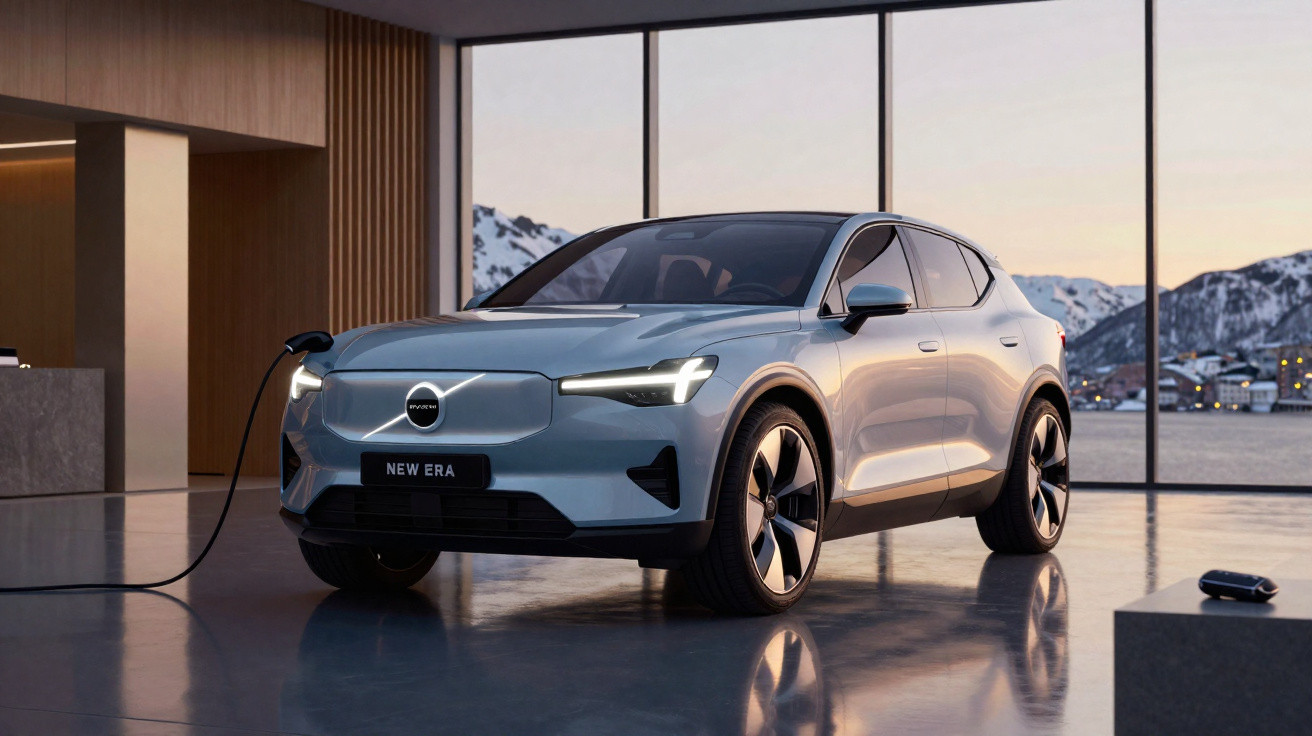
Volvo Cars has just confirmed that Håkan Samuelsson is returning to the chief executive role. The switch takes effect tomorrow, 1 April, and is set to last for two years, before the company appoints a new “maestro” to lead the Scandinavian brand. Samuelsson replaces Jim Rowan, who had been running the company since 2022 and is also stepping down from the board.
Samuelsson’s comeback signals a change of direction at a sensitive moment for the Swedish manufacturer, which is dealing with a mix of commercial pressures and geopolitical uncertainty. In his previous spell at the helm, from 2012 to 2022, he guided Volvo to record highs for both sales and profitability.
Volvo Cars and Håkan Samuelsson: a two-year return as CEO
During Samuelsson’s earlier tenure, the brand moved away from diesel engines and committed to electrification ahead of many rivals. It was also under his leadership that Volvo models began to have their top speed capped at 180 km/h. In addition, Samuelsson oversaw the launch of the company’s US factory and steered Volvo through its stock market flotation in 2021.
Jim Rowan’s strategy and the shift on electric ambition
For his part, Jim Rowan was credited with pushing Volvo’s digital transformation faster, including a strategy built around software and connectivity.
More recently, however, he also dialled back the company’s all-electric targets, choosing instead to keep hybrid powertrains on offer for longer. That approach was explained by demand for fully electric vehicles coming in below expectations, alongside a tense trading environment between the US, Europe and China.
Volvo has been hit by additional European tariffs applied to electric cars made in China-where the EX30 is built-and it is now also set to be affected by new 25% tariffs in the US, even though part of its production is carried out locally in Charleston.
The voice of experience
Jim Rowan’s sudden exit still leaves plenty of questions unanswered, but Volvo says that “in a scenario of rapid technological change and greater geopolitical complexity, the company will benefit from leadership with deep industrial knowledge and a proven ability to execute”. Håkan Samuelsson, now 74, was presented as the right choice for this new phase.
Eric Li, chairman of Geely Holding, praised Samuelsson’s transformative influence on Volvo: “He revitalised the brand, expanded its global presence and successfully led the process of going public. He brings strategic clarity and industrial experience that is unique within the group.”
Rowan’s departure does not, however, mean Volvo is abandoning digitalisation and connectivity. Those priorities are set to remain, but with renewed emphasis on financial sustainability and on tailoring the approach to regional markets with different requirements.
Samuelsson returns at a time when the car industry is rapidly reshaping its business models. His task will be to reposition Volvo competitively, protect the brand’s legacy and secure profitability through an unstable economic cycle.
“It is an honour to return at such a decisive moment for Volvo Cars,” Samuelsson said. “I know the challenges well and I have total respect for the complexity of the phase we are going through.”
Comments
No comments yet. Be the first to comment!
Leave a Comment