

The sort of bargain you find on a Tuesday night and immediately message to three mates with: “What do you think?”. Tom*, 31, had spent weeks trawling through second-hand car listings - partly because he needed wheels, partly because he couldn’t stop looking. This one seemed to tick every box, especially the price. A couple of signatures, a handshake, and the keys were his. Job done.
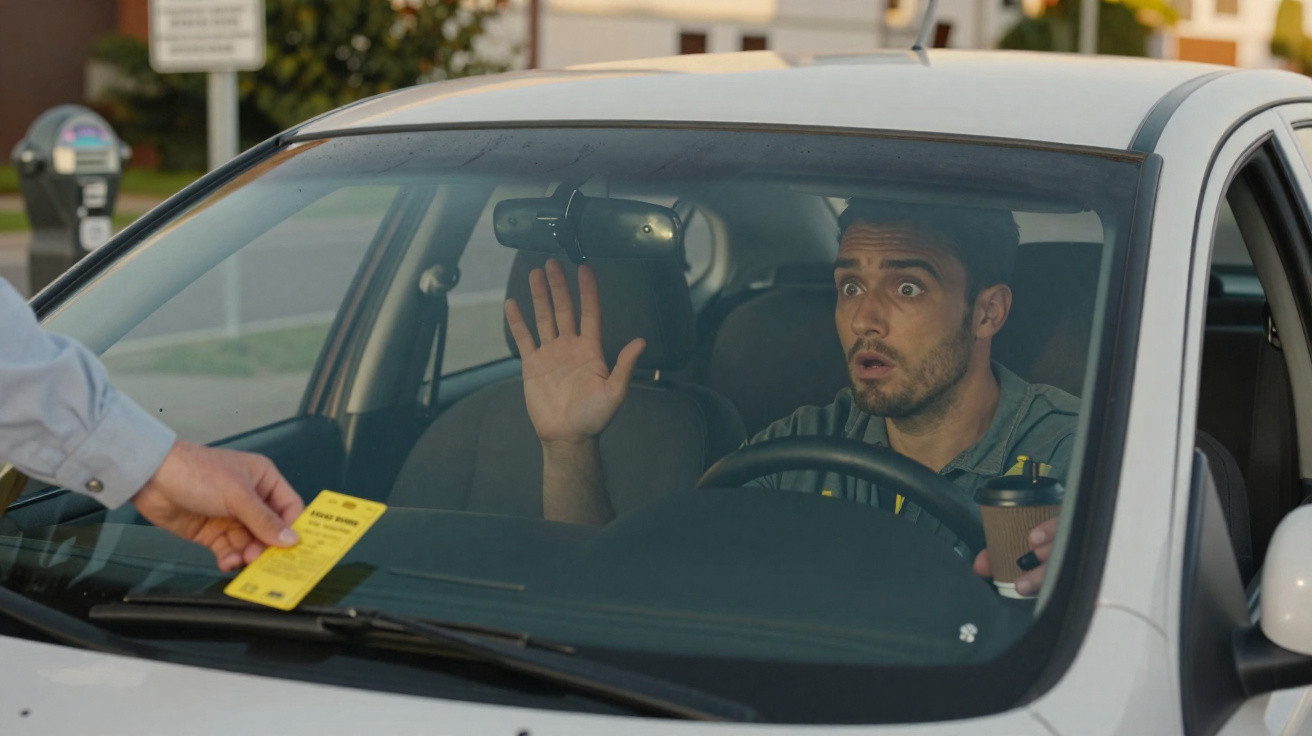
A fortnight later, a white envelope hit his doormat. Then a second. Then a third. Inside wasn’t a cheerful welcome to life on the road, but a catalogue: unpaid speed camera penalties, outstanding toll charges, parking tickets dating back months. Every notice was linked to the registration number that had just been transferred into his name. That “cheap” car no longer felt cheap. It arrived with a ghost he hadn’t signed up for.
When a bargain car drags a financial ghost behind it
Tom says the jolt wasn’t the first letter - it was how quickly they stacked up. “I thought the first one was just a mistake,” he recalls. “By the fifth, I felt physically sick.” What had felt like a clean slate suddenly looked different parked outside. Same paintwork, the same whiff of tired air freshener, the same small scrape on the rear bumper - but now every detail came with a question hanging over it.
Most of us assume a used car’s past is captured by the mileage and the count of previous owners. In practice, a vehicle can carry an invisible tail of unpaid fines, tolls and penalties that don’t care who was driving today. The system focuses on paperwork. As soon as the registration is recorded in your name, you’re the person it sees - not the seller, not the “previous keeper”. You.
Tom began adding it up. There were speed camera notices issued months before he owned the car. ANPR-based toll charges. Parking penalties from a city he’d never even driven in. On their own, each letter looked solvable. Combined, they climbed into several thousand in unpaid penalties, late fees and “administration charges” - the sort of figure that doesn’t destroy you overnight, but quietly chews through the savings you were trying to build.
His experience isn’t unusual. In many places, the law starts from the assumption that the registered keeper is responsible for fines linked to a number plate. Debt collectors rarely dig into who actually drove on the day; they follow the paper trail. The logic is blunt: systems are built for speed, not subtlety. So when a used car changes hands, old issues can slide straight onto the new owner’s lap, like dirty water running through a split pipe.
In theory, you’re not powerless. There are routes to dispute, appeal and prove dates. In reality, it’s often slow, draining work. Letters can land faster than responses. Helplines keep you on hold. And the stress piles up long before anything becomes legally clear. Even when you’ve done nothing wrong, you start second-guessing yourself. That’s the hidden cost of a “cheap” used car you won’t see in glossy dealer adverts.
How to spot a bargain… without inheriting someone else’s fines
There’s a straightforward habit that could have spared Tom a lot of grief: treat the paperwork as though you’re buying a house, not a second-hand toaster. Before any money changes hands, sit down with the seller and lay everything out - on a table or the bonnet. The V5C logbook (registration certificate). Service history. Any correspondence from parking operators, toll providers or enforcement bodies. Ask plainly: “Are there any outstanding fines or tickets linked to this car?” Then pause and pay attention to how they respond.
Use every free official check available for the registration and the VIN. In some countries, you can see whether a vehicle has been involved in enforcement action, wheel-clamping or seizure proceedings. It won’t reveal every unpaid parking ticket, but it helps you form a picture. If a seller claims they “haven’t got time” for that, you’ve effectively been given an answer already. A genuine seller usually sees a careful buyer as reassuring, not inconvenient.
If you’re purchasing privately, ask for a short written statement - even in plain language - confirming they’re not aware of any outstanding fines or penalties connected to the car. It’s not a magic shield and it won’t make a debt vanish, but it gives you something to point to if things turn ugly. If you’re buying from a dealer, ask what they do if historic fines emerge that relate to dates before your purchase. Some will help; some will shrug. Let’s be honest: nobody really reads all the small print, but the line about fines is worth paying attention to.
Practically, take a photo of the mileage and the date on the day you buy the car. Email it to yourself. Save a screenshot of the advert. Those small details can become invaluable if, three months later, you need to show you didn’t drive past a speed camera on a date when the car was still sitting on someone else’s driveway. Evidence isn’t glamorous, but automated systems often only respond to that language.
What to do if you’ve already bought a car with hidden fines
When the letters start arriving, most people swing between two impulses: panic, then avoidance. Both are understandable - and both can backfire. The steady, unexciting approach is to open every envelope and sort them by the date of the alleged offence, not the date you received the notice. Draw a dividing line on paper: fines from before you bought the car on one side; anything from after on the other. That single line changes the whole conversation.
For the “before” stack, respond in writing - every single time. State the date you bought the car, and include copies of the bill of sale and the change-of-keeper paperwork, plus any official document that shows when you became the legal keeper. You’re not asking for sympathy; you’re setting out a legal boundary. You can reuse the same template letter across notices, tweaking dates and reference numbers. It’s repetitive, but it creates a paper barrier between you and the previous owner’s behaviour.
For the “after” stack, you need a different type of honesty. If some fines are genuinely yours, pay them promptly before late fees inflate a small nuisance into a serious problem. If a notice looks wrong - incorrect location, time, or vehicle details - challenge it calmly with evidence. Plenty of people freeze and shove letters into a drawer until a clamp appears on the wheel. That’s the moment when a €40 fine suddenly becomes a €400 story you tell angrily for years.
“I felt stupid at first,” Tom admits. “Like I’d done something wrong just by trusting someone. But the more I talked about it, the more people said, ‘Oh, something similar happened to my cousin, my neighbour, my colleague…’ It’s not about being naïve. The system just doesn’t protect buyers enough.”
Once you’ve separated everything and started replying, these practical steps can help:
- Contact the seller in writing, even if you’re expecting no reply.
- Keep a physical folder for every letter, response and piece of proof.
- Check whether local consumer bodies or motoring organisations provide legal support.
- Speak to your insurer if enforcement action starts to escalate.
- Tell friends about what happened so it doesn’t repeat in silence.
The “cheap” car that costs more than money
The true cost of a used car rarely matches the bold figure in the advert. It also includes the hours of scrolling, wet test drives, and awkward chats with sellers in supermarket car parks. And sometimes - unfortunately - it includes the emotional drag of red-ink warnings and legal wording you never wanted to learn. A “cheap” car can become expensive without ever breaking down once.
There’s a quieter cost too: the shame that creeps in when you’re pulled into someone else’s mess. You replay your messages with the seller. You scan for the tiny warning signs you missed. You tell yourself you “should have known”. Rationally, you can see you followed the normal script: you found a car, checked the basics, paid the asking price. It’s the system - not you - that left the loophole wide open. Even so, the feeling can cling for a while.
On a broader level, stories like Tom’s highlight something uncomfortable about how we assign responsibility. We like clean equations: owner equals fault, registration equals accountability. Real life is messier. A number plate can rack up several chapters across different hands, carrying mistakes, neglect or just bad luck. When those invisible threads land on a new keeper’s desk, you realise how fragile the promise of a “fresh start” can be.
So next time you’re looking at a suspiciously tempting list of used cars on your phone at midnight, you might view them through a slightly different lens. Not with paranoia, but with more curiosity about the story behind the metal and plastic. Not only: “Has it had an oil change?” but also: “What trail does this registration leave behind?” Cars move us through places. Their paperwork moves quietly through systems we rarely notice. That’s often where the real surprises are hiding.
| Key point | Detail | Why it matters to the reader |
|---|---|---|
| Check the administrative history | Review documents, dates and any signs of potential fines before buying | Reduce the risk of inheriting hidden debts |
| Draw a clear “before / after” line at purchase | Sort fines by the offence date, not the date the letter arrived | Know which ones are truly yours and what to challenge |
| Build a folder of evidence | Contract, screenshots, mileage photos, messages with the seller | Stand up to automated systems and protect your rights |
FAQ:
- Can I really be held responsible for fines from before I bought the car? Legally, systems often start by chasing the current registered keeper, even for old offences. Your job is to prove, with dates and documents, that you didn’t own the car at the time.
- Will contesting a fine always work if it’s from before my purchase? No, not always, but providing clear evidence of the purchase date and change of keeper usually shifts liability back toward the previous owner or closes the case.
- Can I take the seller to court if I inherit their fines? In theory yes, especially if they lied or withheld information, though it can be long, costly and stressful compared to the amount at stake.
- Do car dealers offer more protection than private sellers? Often they do, because they have reputations, legal obligations and internal checks, but policies vary widely from one dealer to another.
- Is there a 100% safe way to avoid this problem? No method is perfect, yet careful checks, written confirmations, and keeping your own dated records make the risk much smaller and your position stronger.




Comments
No comments yet. Be the first to comment!
Leave a Comment