
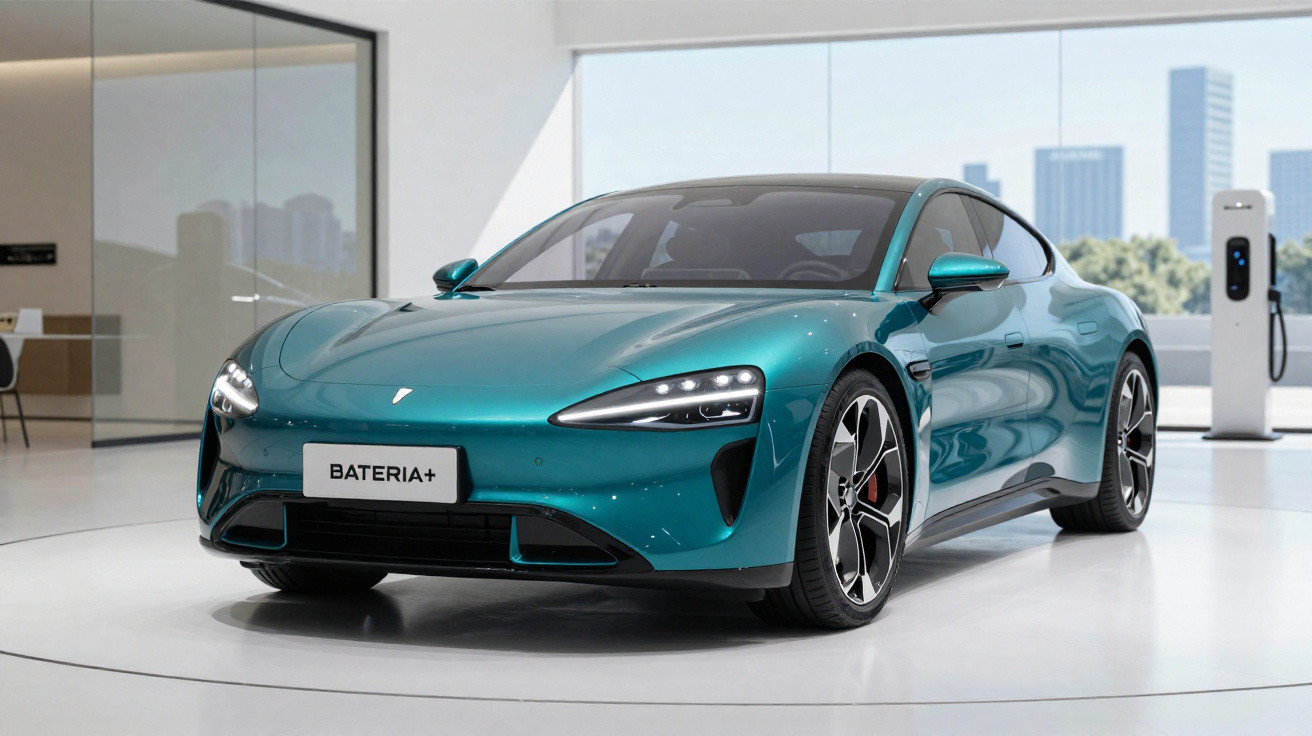
The car sat on a quiet suburban street: engine off, children’s rucksacks on the back seat, the dashboard glow ebbing away to darkness.
Everything seemed ordinary. No warning lamp. No odd sound. Just that small click as the driver locked up and walked off. Twelve hours later, the same driver stood in the cold with the key in hand, muttering under their breath as the starter offered nothing more than a heavy, lifeless click. Flat battery. No fuss, no hint beforehand. Just silence.
So what changed overnight, while the household slept and the car waited at the kerb?
This silent battery killer almost everyone forgets
Most of us only think about a battery at two points: when it dies, or when we pay to replace it. The rest of the time it’s treated like air-there, essential, and largely ignored. That’s why one everyday habit slips by unnoticed. People pull up, switch the engine off, pick up their phone, press “play” on a podcast, or scroll while the radio continues and the cabin lights cast a warm glow.
From the outside the car looks parked and inert, yet it’s steadily bleeding charge. No check-engine light. No “battery low” message. Just a quiet, consistent draw on the 12V system for every minute you sit there with the engine off and the electrics on.
On a dull Monday morning, an electrician called Mark learned this the hard way in a supermarket car park. He’d arrived early for a job, parked facing the sun, and chose to wait inside rather than stand outside. Engine off, phone charging, radio on for “just ten minutes”. Ten minutes became forty as he replied to emails and watched a couple of videos.
When the client rang, he turned the key. A single, unhappy whirr-then nothing. The same car that had carried him there less than an hour earlier was suddenly a lump of dead weight. No warning lights, no obvious clue, no drama-just a flattened battery in a place where nobody is obliged to help you with a jump-start.
That’s the catch: today’s cars are loaded with electronics that keep running even when the engine isn’t. Infotainment, heated seats, USB sockets, ambient lighting-they all feed from the same 12V battery. With the engine running, the alternator replenishes that battery. With the engine off, every lit screen, every charging lead, every “quick call” nibbles away at the remaining charge.
Short journeys make it worse. You run the battery down while parked in accessory mode, then you only drive five minutes home. The alternator hardly gets a chance to restore what you used. Do that repeatedly for weeks and the battery can effectively age by years over a single winter. There’s no dashboard lamp for it-just one frosty morning when you turn the key and nothing happens.
How to stop draining your battery without thinking about it all day
There’s an easy rule that protects your battery: keep your “accessory time” in proportion to your “driving time”. If you’re about to sit in the car for twenty minutes waiting or scrolling, either cut that session short or keep the engine running. Better still, take longer calls at home or inside a café rather than in the driver’s seat with the electrics on and the engine off.
Treat the battery like a bank balance. Every minute of radio, blower fan, and phone charging with the engine off is a small withdrawal. A decent drive with the engine running is a deposit. You don’t need to monitor it obsessively-just try not to spend more charge than you typically “earn” back in a day.
One change in routine makes a big difference: once you’ve parked up, switch off the extras before you turn off the engine. Lights. Heated seats. Phone charger. Fan on full blast. It can sound a bit strict, but it quickly becomes automatic. Then, when you start again, you only power up what you genuinely need. That way the battery isn’t hit by everything waking up at once each time you turn the key.
Let’s be honest: nobody manages that perfectly every day. You’ll forget, you’ll leave the fan blasting or the rear demister on. That’s not the point. What helps is doing it often enough that your default routine is gentler on the battery than what most people do without thinking.
As one roadside assistance mechanic put it after yet another call-out in a shopping-centre car park:
“Ninety per cent of the ‘mystery’ flat batteries I see aren’t mysterious at all. It’s people sitting in their cars using them like a living room with the engine off.”
That’s the uncomfortable part: the issue isn’t the car-it’s how we use it. We take calls, reply to messages, wait for the children, eat, scroll. The vehicle turns into a little lounge on wheels. And the battery was never intended to support that constant, engine-off way of living.
- Switch off accessories before you shut the engine down.
- Avoid long phone-charging sessions with the engine off.
- Give the car a proper motorway run each week.
- Pay attention to slow cranking-it’s your only early “warning light”.
From quiet drain to smart routine: letting your battery breathe
We’ve all been there: the car feels more like a waiting room than a machine. Children asleep in the back, rain drumming on the windscreen, you sitting on the drive finishing a voice message with the engine off so you “don’t waste fuel”. The irony is that you save a thimbleful of petrol and potentially knock months off the battery’s life in exchange.
Once you view it that way, the habit starts to change. You open the door and step out to finish the call, or you let the engine run for a few minutes if you truly need the heat and the charge. Tiny decisions-barely noticeable from outside-that determine whether the car starts happily on the next cold morning or leaves you stuck in silence.
| Key point | Detail | Why it matters to you |
|---|---|---|
| Extended use in accessory mode | Radio, climate control, chargers left on with the engine off | Helps explain why the battery can drain without any alert |
| Short-trip routine | Too little time for the alternator to recharge the battery | Highlights a lifestyle pattern that wears a battery out early |
| Small preventive actions | Switch everything off before shutting down; take longer drives regularly | Extends battery life and reduces surprise breakdowns |
FAQ:
- What is the “common habit” that drains the battery without warning? Regularly sitting in the car with the engine off while using electrical features - radio, lights, phone chargers, climate fan - slowly discharges the battery without triggering a warning light.
- How long can I safely sit in my car with the engine off? There’s no exact number, but on an older or already weak battery, even 20–30 minutes with several accessories on can be enough to cause trouble, especially in cold weather.
- Why doesn’t a warning light show when my battery is getting weak? Most cars only show a battery or charging light when the alternator has an issue, not when the battery state-of-charge is low. The “warning” is usually just slower cranking when you start.
- Do short trips really affect battery life that much? Yes. Lots of short trips mean the alternator has very little time to recharge what was used to start the car and run electronics, so the battery rarely returns to a healthy level.
- What simple habits will help my car start reliably in winter? Limit engine-off accessory use, take the car for a longer drive once a week, turn off power-hungry features before shutting down, and have the battery tested every couple of years or before a cold season.






Comments
No comments yet. Be the first to comment!
Leave a Comment