
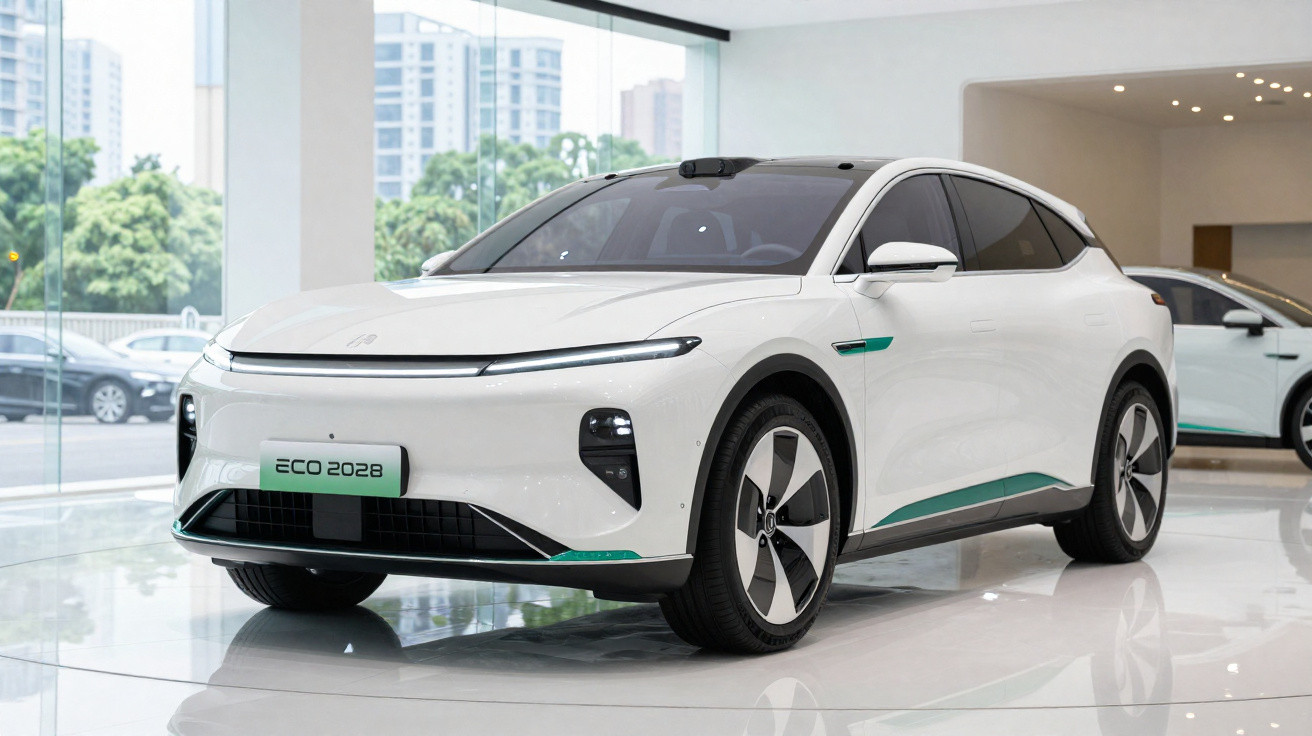
The National Assembly has delivered a surprising U-turn by voting to freeze the cap on the ecological malus applied to new vehicles. As a result, it will not be increased in 2028, despite what had previously been planned.
This is likely to be welcomed by both motorists and manufacturers. After years in which vehicle taxation has been a central lever of government automotive policy, ministers have backed an unexpected amendment: the maximum ecological malus payable on new vehicles will not rise in 2028, contrary to the original roadmap.
Why the ecological malus cap was expected to hit €100,000
For years, the direction of travel seemed unmistakable: steadily increase taxes on the most polluting vehicles, chiefly those emitting the most CO2 or carrying substantial weight. Following the announcement of a cap set at €80,000 in 2026 and then €90,000 in 2027, many assumed the symbolic €100,000 threshold would be crossed in 2028. However, against a difficult economic backdrop-and with drivers calling for clearer, longer-term visibility-the government has opted to slow the pace.
A stable malus, broader exceptions
In practical terms, the cap will remain at €90,000 in 2028, applying from 190 g/km of CO2. The government has also confirmed several relaxations to the rules.
Who benefits from the new exemptions and allowances
French Guiana will be fully exempt from the ecological malus, a significant concession justified by the lack of infrastructure that would support local uptake of electric vehicles. The other overseas territories are also spared the tightening that had been expected.
Another notable change is that short-term rental companies will receive a 20% allowance on the malus when purchasing new cars, a measure intended to support a sector seen as crucial for mobility and often hit hard by taxation.
The “mass” malus, which targets the heaviest vehicles, is also set to change. From 2026, all new electric cars will be exempt, including models that do not meet the eco-score (often because they are built outside Europe). Large families, who up to now have only benefited from a 200 kg allowance, will see this become a full exemption under the mass malus.
The Senate still has to sign off
These decisions are not yet final. They must still be examined by the Senate in the coming weeks. Even so, the executive’s stated intent signals a major shift in tone: the government is now prioritising tax stability while recognising the range of territorial and social realities across France.
This move back towards a more balanced line comes at a pivotal moment. From the energy transition to intense global competition-and the question of public acceptance of environmental measures-the automotive market is going through a difficult period.



Comments
No comments yet. Be the first to comment!
Leave a Comment