
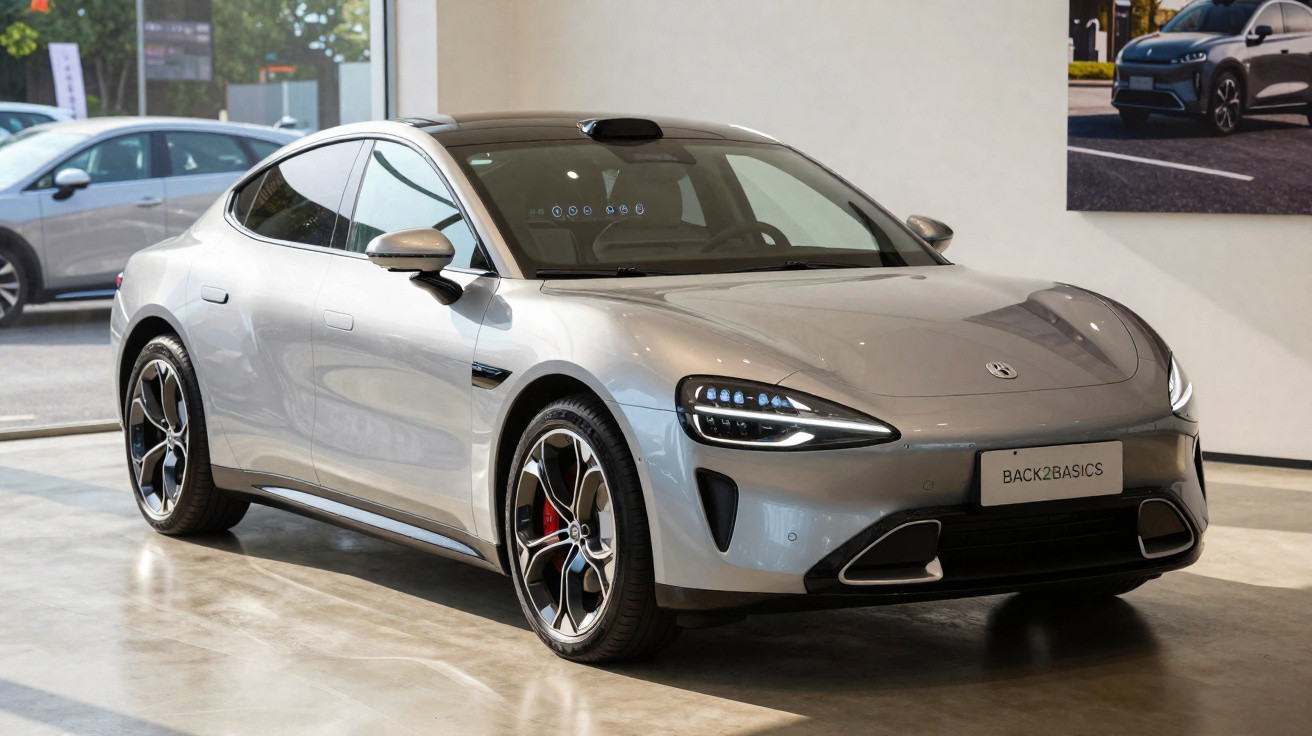
For years, the direction of travel seemed fixed: bigger displays, fewer buttons, everything electric, everything “smart”. Now the mood in car manufacturers’ boardrooms is shifting. New safety requirements, customer irritation and a dose of realism are making supposedly outdated solutions popular again - from dashboards you can operate by feel to the return of the classic diesel.
Why car manufacturers no longer treat the touchscreen as a cure-all
Almost every new car launched in recent years has arrived with a huge screen. Climate control, audio, driver assistance systems - even heated windscreens and air vents - were pushed into menus. It looked futuristic, but in day-to-day use it frustrated plenty of drivers and, crucially, pulled their eyes off the road and onto the display.
“Euro NCAP is turning up the pressure: anyone who wants top marks in future crash tests will have to fit real, tactile controls again.”
Euro NCAP, widely seen as Europe’s most influential vehicle safety body, is preparing fresh criteria for upcoming crash-test ratings. One key point: safety-related functions should be accessible via dedicated physical controls. If everything is buried in a touchscreen interface, manufacturers risk losing stars.
The reasoning reflects a problem familiar to anyone who drives a modern car with a menu maze: you tap through sub-pages, hunt for seat heating or the demister, glance back repeatedly - instead of watching the road. In a critical moment, a few seconds of distraction can be enough.
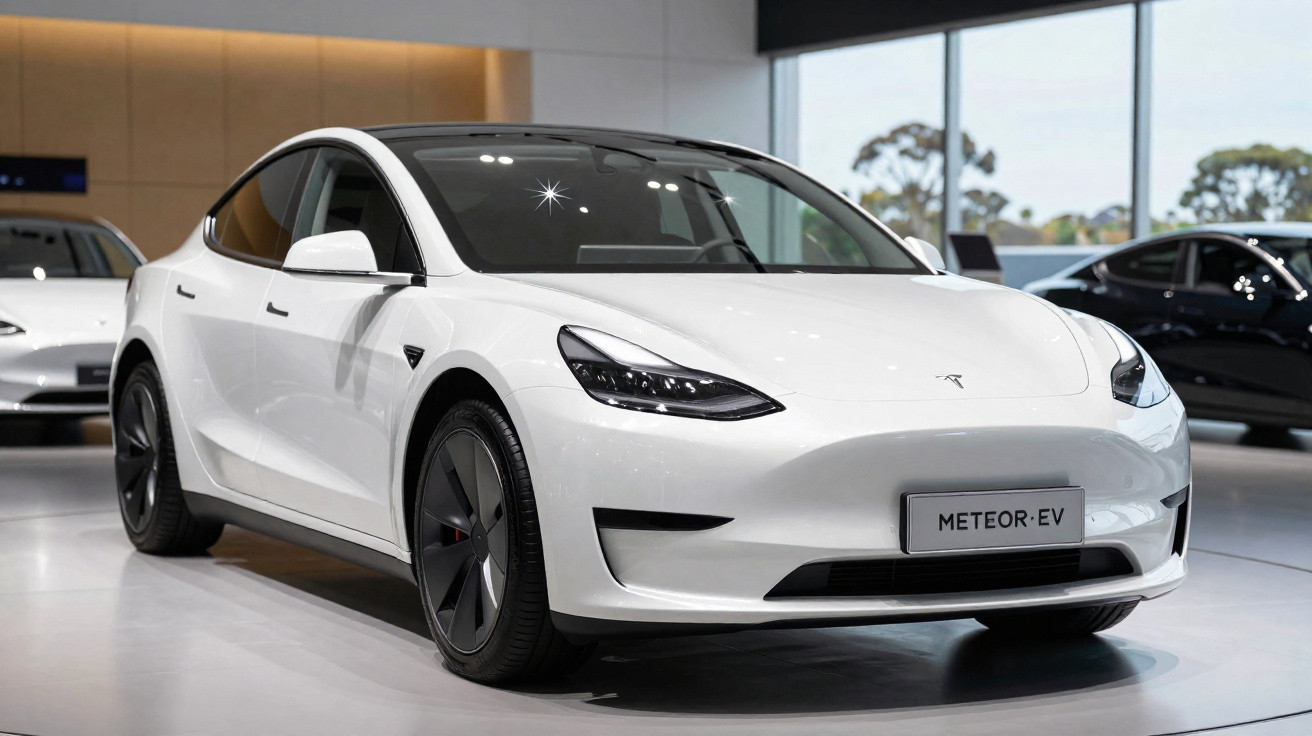
Many brands took inspiration from the Tesla approach: one large screen, as few buttons as possible. What’s becoming clear is that this supposed minimalism can be harder to live with than a traditional layout with knobs and switches.
New cockpits: a mix of display and “old school”
The direction for future interiors points towards a hybrid setup. Large, clear displays are here to stay, but core functions are likely to regain their own button or rotary dial. This mainly affects:
- temperature and fan speed
- heated windscreens front and rear
- volume control and mute
- indicator and lighting functions
- hazard lights and other central safety functions
Even premium brands are trialling new arrangements. Some are revisiting classic round dials, pairing them with a restrained, uncluttered infotainment screen. Others are putting more buttons on the steering wheel, while reducing touch-sensitive panels elsewhere.
Diesel is suddenly acceptable again
Alongside the shift in controls, there is a second, unexpected change of course: diesel. After years of political and media pressure, diesel is returning as a viable choice for certain groups of buyers. Manufacturers with a strong track record in long-distance driving and fleet sales, in particular, are rethinking their stance.
The logic is straightforward. High-mileage drivers, commuters in rural areas and tradespeople often prioritise range, low fuel consumption and quick refuelling. Fully electric cars still struggle to match that combination, despite the expanding charging network.
“From a certain driving profile onwards, diesel remains economical and practical for many users - and manufacturers are no longer ignoring that.”
On top of this, the EU has softened its position on the 2035 phase-out of new combustion-engine cars, leaving room for synthetic fuels and hybrid approaches. That gives manufacturers more breathing space and reduces the pressure to electrify every model line immediately.
Hybrid platforms instead of an electric-only dogma
One notable trend is the rise of flexible vehicle platforms designed to support several types of powertrain. Rather than committing to rigid “electric only” architectures, some manufacturers are developing electric cars that, where needed, can be paired with a small combustion engine acting as a range extender.
This makes it possible to vary battery size, CO₂ footprint and everyday usability depending on the market and customer type. In the context of supply-chain disruptions, raw-material costs and what drivers actually want, hard-line slogans such as “battery only, everything else is dead” suddenly look like a risky strategy.
The big retreat from design gimmicks
It is not just powertrains being reconsidered - body design is also seeing a reversal. Retractable door handles are a good example: for years they were treated as a must-have. They look sleek and can improve aerodynamics, but they may create problems in an emergency.
There have been reports of rescue crews struggling after crashes because handles were extended, jammed or difficult to access, costing valuable seconds. Some manufacturers are now deliberately moving away from this approach and returning to conventional, robust handles.
A similar rethink is happening with other exaggerated styling trends that annoy customers or reduce everyday practicality:
- narrow window slits instead of generous glass areas
- oversized wheels with an uncomfortably firm ride
- aggressive, angular lines that compromise visibility
- extreme chrome bars and overblown grilles
“After years of ‘anything to stand out’, many brands are rediscovering pragmatism - and realising that common sense sells better than expected.”
The comeback of older concepts: van, city car and more
Vehicle categories are another area in flux. The SUV has crowded out much of the market in recent years - estates, MPVs and traditional small cars. Now, models are emerging that reinterpret the van idea, prioritising space, flexible seating and genuine usefulness over show.
Ultra-compact city cars are also gaining momentum. Inspired by Japan’s “kei cars”, European developers are considering small, lightweight runabouts that deliberately avoid over-the-top driver aids and infotainment excess. The aim is straightforward: affordable, easy-to-use cars for daily life in tight city centres.
Why customers are valuing simplicity again
Plenty of drivers want a car they can operate intuitively - without a handbook and without online tutorials. Experience suggests that a clear rotary control for temperature solves more real-world problems than a fifth sub-menu for “comfort profiles”.
Manufacturers are increasingly treating usability as a selling point. Older drivers in particular - but also commuters - are fed up with bloated menus and updates that suddenly move, remove or rename familiar features.
Technology keeps advancing - just less in your face
Stepping back from extreme touchscreen dependence or flashy design tricks does not mean the car industry is heading backwards. If anything, the most consequential technologies - driver assistance systems, sensors and software - are advancing rapidly.
Highly automated driving remains a core ambition. Cameras, radar, lidar and centimetre-accurate mapping are being integrated into a single ecosystem. The difference is that manufacturers have recognised customers are more likely to accept that progress when the driving interface feels familiar and uncluttered.
“In future, high-tech should work in the background, while the driver up front gets more buttons, clearer displays and a better view of the road.”
Powertrain development is also focusing more on efficiency than spectacle. Modern combustion engines with particulate filters, plug-in hybrids offering meaningful electric range, fuel-cell projects and improved battery technology are all progressing in parallel. The industry is no longer betting everything on just one solution.
What this concretely means for buyers in Germany
For German motorists, these trends could have very practical consequences. Anyone buying a new car in the coming years can likely expect:
- more real switches and rotary controls for core functions
- tidier cockpits with less menu depth
- a wider choice of efficient diesel and hybrid variants
- tougher, more reliable hardware in place of fragile show effects
- more variety in vans and compact city cars
To some, that will sound like a step backwards; to many others, it will feel like a relief. If you commute daily, strap children in and out, or rack up motorway kilometres, you mainly need reliability and simple operation. In that context, fancy menu animations quickly become secondary.
Marketing terms such as “range extender” and “modular platform” are likely to appear more often. A range extender is essentially a small combustion engine that does not drive the wheels directly; it generates electricity for the battery instead. That allows an electric car to cover long journeys without carrying an enormous, expensive battery pack.
For manufacturers, the challenge will be getting the balance right: enough innovation to make cars safer and more efficient, without turning drivers into test subjects for half-baked control concepts. The current pivot on touchscreens, diesel and design shows the industry can learn - and how firmly it follows through will ultimately be decided by customers at the point of purchase.


Comments
No comments yet. Be the first to comment!
Leave a Comment