

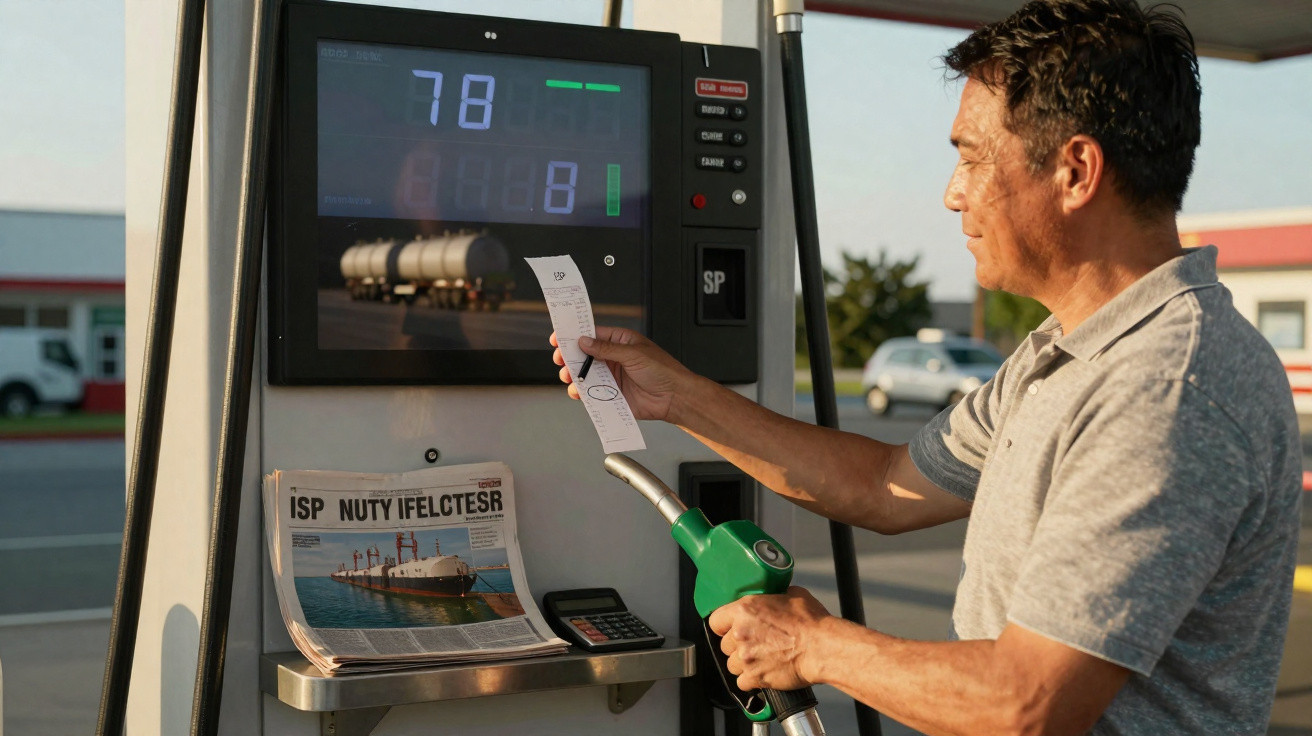
A record weekly rise in the price of diesel is due to take effect tomorrow, 9 March: 23 cents per litre, a figure that will be slightly reduced by the Government’s “tax discount” on ISP.
According to a statement from the Ministry of Finance, the extraordinary ISP tax discount for diesel will be 3.55 cents per litre, bringing the expected increase down to 19 cents per litre. For standard petrol, however, the increase did not exceed 10 cents per litre-the condition set by the Government for the discount to apply-so it will not receive any reduction.
If these figures are confirmed, the average price of standard diesel is expected to reach 1.824 €/l, moving above petrol, whose average price should rise to around 1.78 €/l.
Increased demand at filling stations ahead of the rise
After the first forecasts of the increase became known last Thursday, 5 March, there has been a rush to filling stations. Across the country, demand has been far higher than usual, and there are already reports of some fuel stations running out of supply this weekend.
Why is diesel increasing much more than petrol?
The conflict in Iran and the resulting closure of the Strait of Hormuz-through which one fifth of all the oil consumed worldwide passes-largely explains the broad-based rise in fuel prices.
Brent, the benchmark price for Europe, ended the week trading close to 93 dollars (its highest level since September 2023), whereas before the conflict it was changing hands at 72 dollars.
European diesel supply constraints and reliance on the Middle East
Even so, diesel prices are rising much faster than crude oil itself. This sharper increase is being driven by low European stock levels and Europe’s heavy dependence on the Middle East for supplies of refined diesel. Europe does not have sufficient installed capacity to produce all of its own diesel. More details:
Because this reliance has been hit by the blockage of the main supply route, diesel prices are now climbing abruptly. This is not limited to Portugal: the same pattern is being seen across European countries. While the blockage continues, oil and fuel prices are expected either to keep rising or to remain at elevated levels.



Comments
No comments yet. Be the first to comment!
Leave a Comment